Dzo Jongo, standing tall at 6,280 meters (20,600 feet), is a formidable peak located in the stunning Markha Valley of Ladakh. Often considered a challenging alternative or companion to Kang Yatse, it is a prized objective for mountaineers seeking a semi-technical climb that rewards with breathtaking panoramic views of the Zanskar and Karakoram ranges.
Peak Profile
- Location: Markha Valley, Ladakh, India.
- Elevation: 6,280 meters (20,600 feet).
- Best Season: June to September.
- Terrain: Involves crossing moraines, navigating glaciers, and ascending steep snow slopes.
The Climb
- Semi-Technical Nature: A great challenge for experienced trekkers moving into mountaineering.
- Acclimatization is Key: The route demands gradual ascent and proper acclimatization to handle the high altitude.
- Summit Push: A long and strenuous summit day, typically starting post-midnight, requiring both physical and mental fortitude.
The Journey
The expedition to Dzo Jongo is as much about the journey as the destination. The trek winds through the remote and beautiful Markha Valley, passing ancient monasteries, remote villages, and dramatic landscapes. The approach allows for excellent acclimatization, with multiple days spent at base camp to prepare for the technical demands of the climb, including the use of crampons, ice axes, and rope-work on crevassed sections.
Gallery: Views from the Ascent
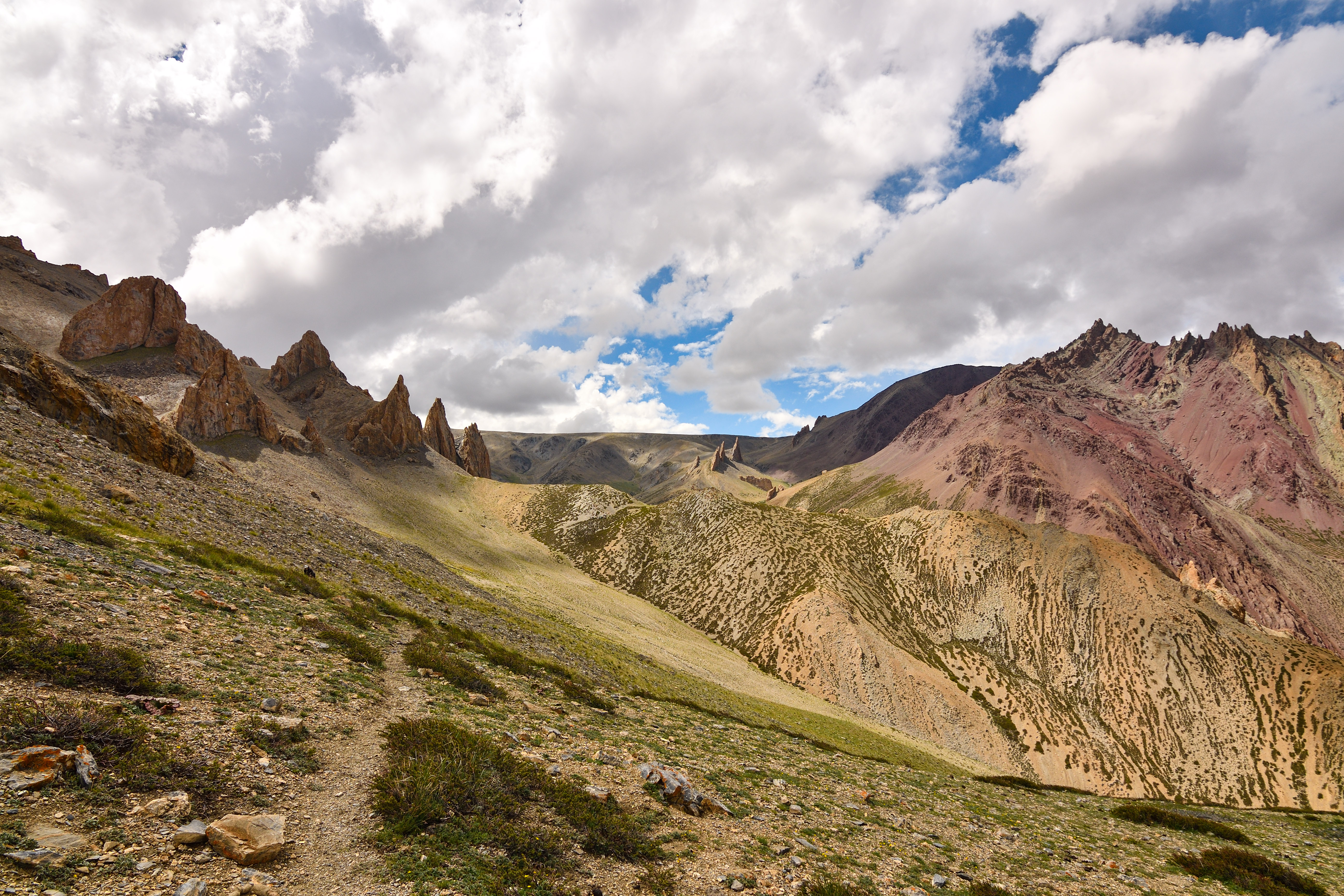
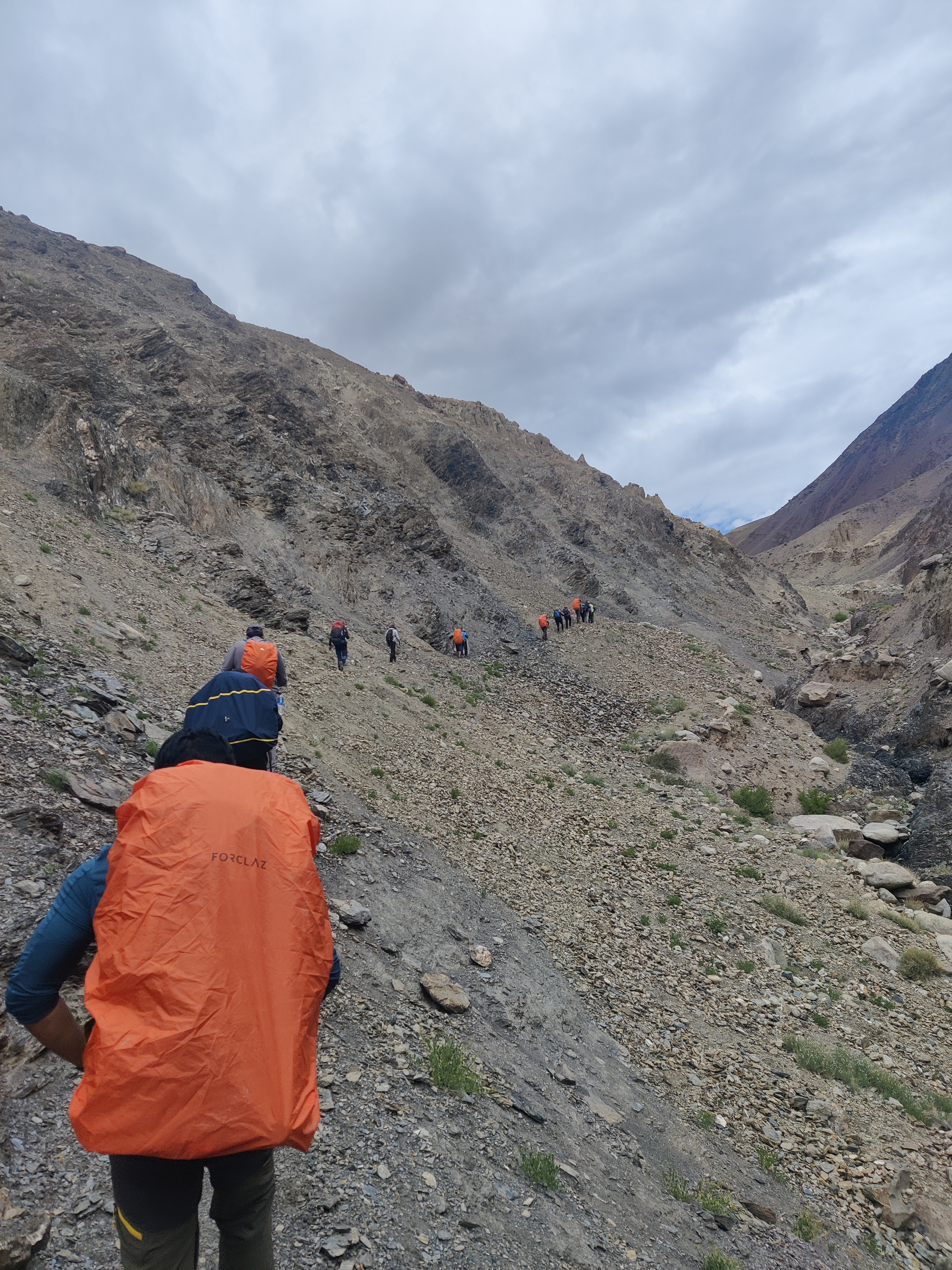
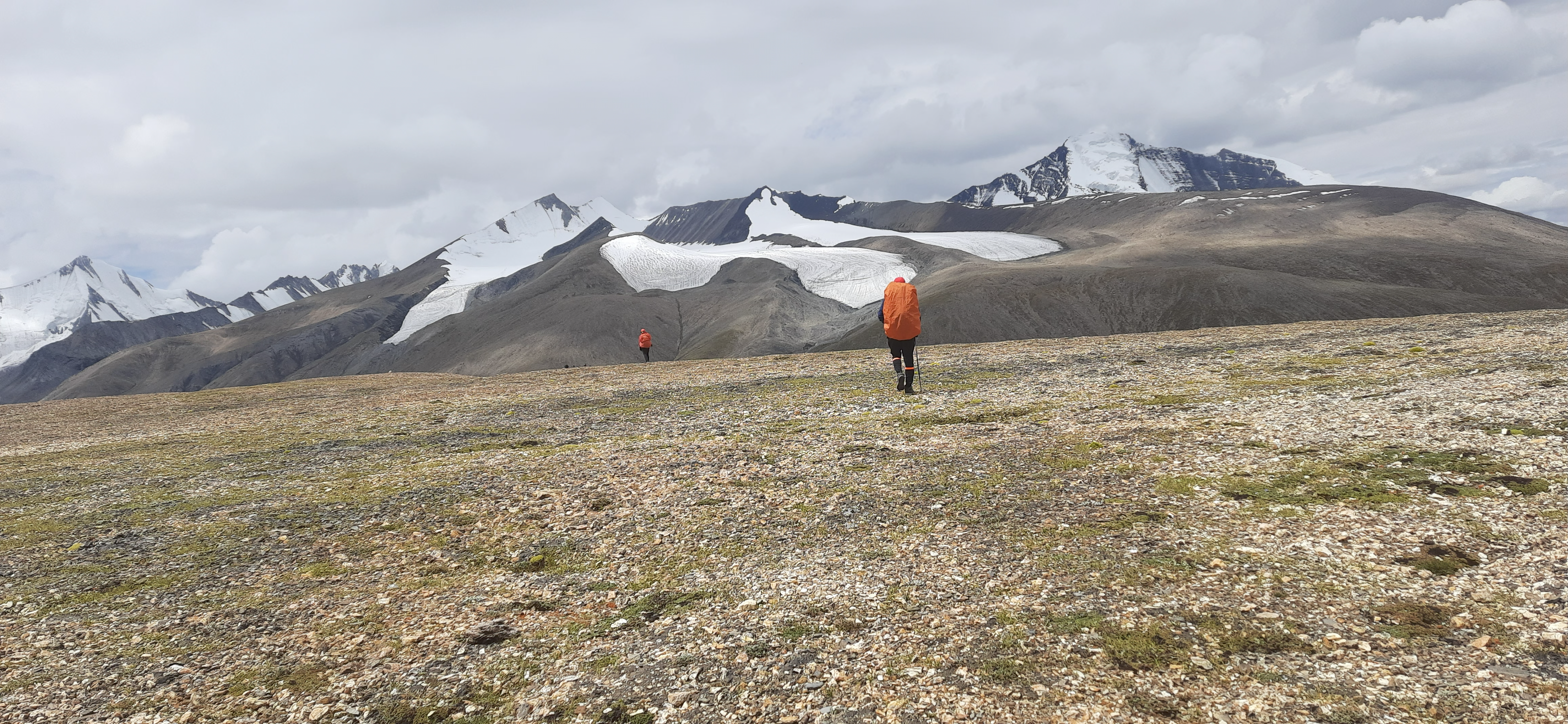
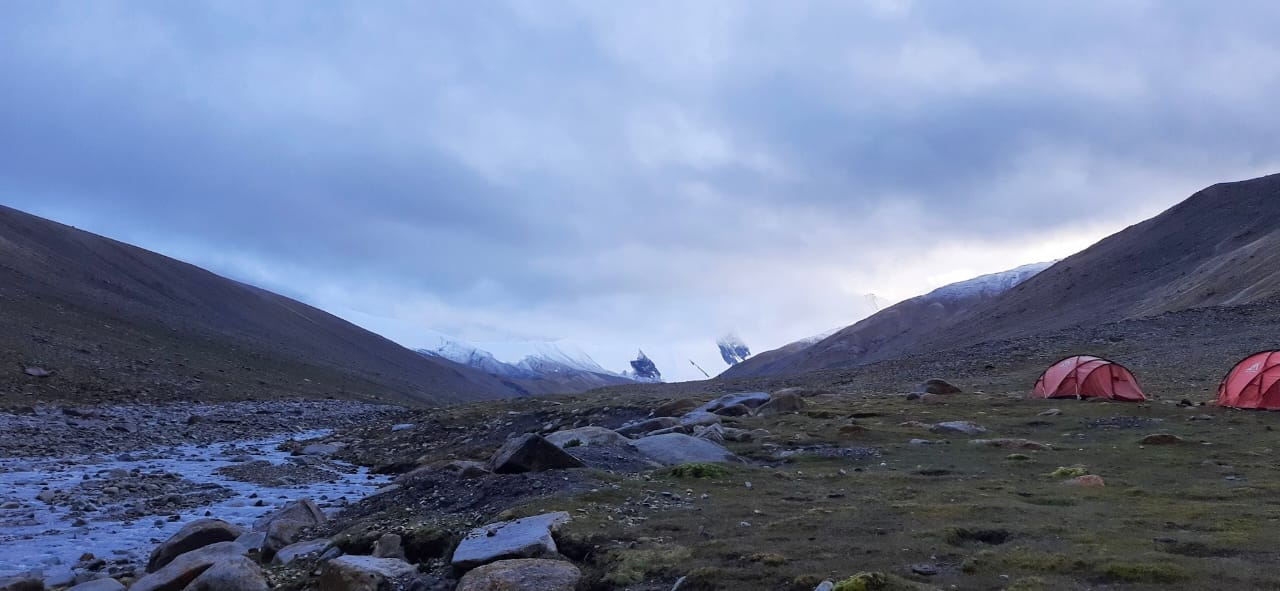
Challenges & Considerations
The Dzo Jongo expedition is a serious high-altitude undertaking. Climbers must be in excellent physical condition, with prior experience in high-altitude trekking above 5,000 meters. The summit attempt involves long hours on challenging terrain, and climbers must be prepared for unpredictable weather, including strong winds and extreme cold.